
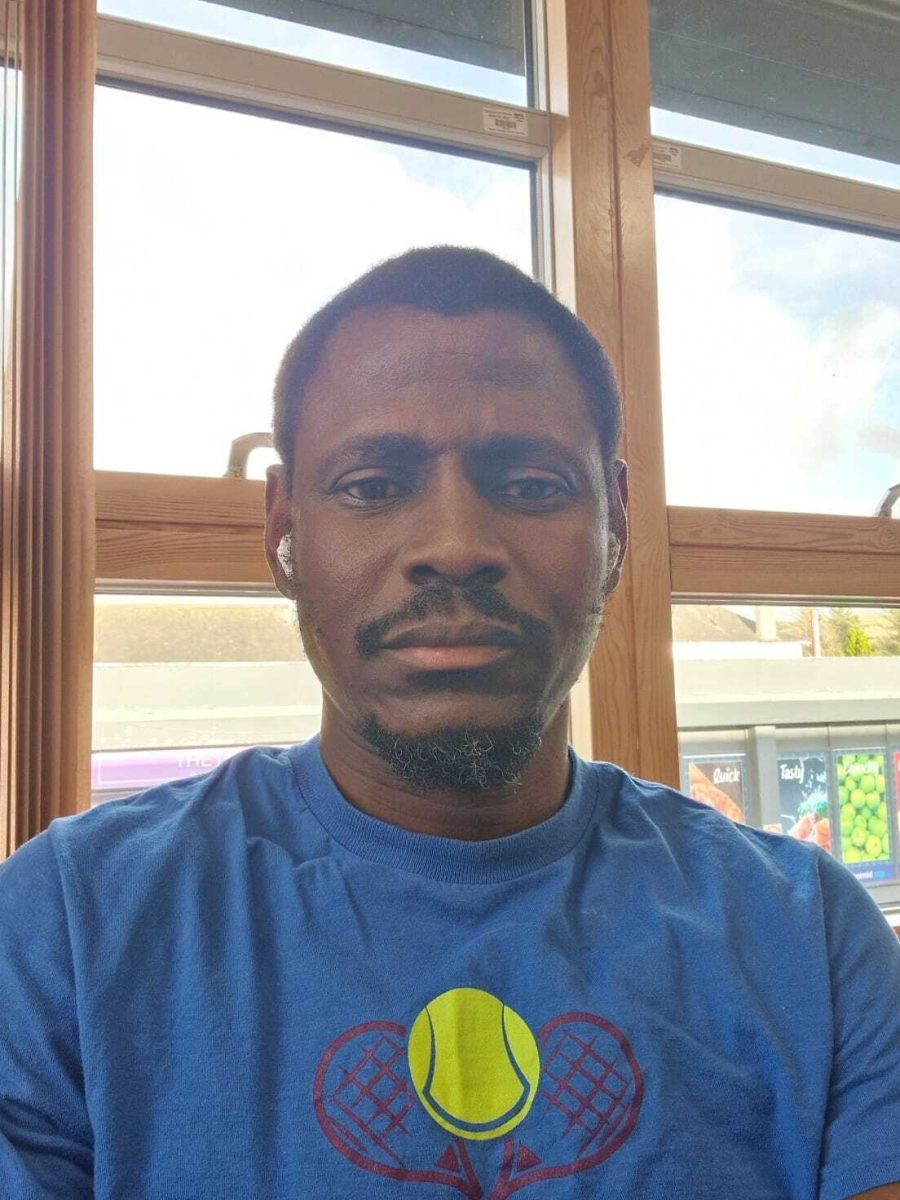
Dotun Olufokunbi | A Nigerian Author Whose Love of Reading Became Writing
A curious reader, a page of Yoruba history and a question that would not go away.
Dotun Olufokunbi grew up among books. Raised in the staff quarters of Obafemi Awolowo University in Ile-Ife, he describes an academic environment that exposed him to various works of literature at an early age. Reading came first. Over time, as he tells it, that love of reading became a love of writing, and the writing led him to his play, The Return.
He is a native of Ilesha, in Osun State, South Western Nigeria. His schooling took him from primary education in Ilesha to the staff school at Obafemi Awolowo University, and then to a secondary school in Ile-Ife. He went on to complete a Bachelor of Arts in English Language at the same university, and he is now attending a Masters programme at Edinburgh Napier University in Scotland. It is a path that runs through two Nigerian towns and one Scottish city, with language and literature at its centre.
This feature is a profile of the person behind the page. It draws on what Dotun Olufokunbi has shared himself: where he comes from, what he read, what caught his attention in Yoruba history, and what he hopes his work will do for readers. The Return is the outcome of that journey rather than its starting point, and it takes its place later in the story.
His reasons for writing are both personal and practical. He wants Yoruba culture and tradition to stay part of the conversation, and he believes the present is exactly the right moment to say so.
Ilesha, Ile-Ife and an Academic Childhood | Where the Reading Began
Every writer has a starting place, and for Dotun Olufokunbi it is Ilesha. He is a native of the town in Osun State and began his primary education there. The move into the world of Ile-Ife came through the university community: he attended the staff school at Obafemi Awolowo University, and he later completed his secondary education in Ile-Ife.
Ile-Ife carries weight in his account of Yoruba history. He notes that it is generally revered as the origin of all the Yorubas, and that the Oyo empire is also very paramount in that history. For a young reader, growing up in the staff quarters of a university meant living inside an academic setting. In his own words, he was exposed to various works of literature at an early age.
He describes what followed in plain terms. His love of reading became evident over time, and eventually it gave rise to his love of writing. In the material he has supplied, he does not point to a single book or a single dramatic moment. The picture is one of steady growth, an interest fed by the surroundings in which he was raised.
Readers of The Return will find his home town named in the play itself. Its opening stage directions place the first scene in the village of Ilesha in the year 1723.
From Ile-Ife to Edinburgh | An Education Across Two Countries
Dotun Olufokunbi completed his university education at Obafemi Awolowo University, Ile-Ife, where he earned a Bachelor of Arts in English Language. He is presently attending a Masters programme at Edinburgh Napier University in Scotland, in the United Kingdom.
Both institutions appear in the short author note on the back cover of The Return, which introduces him through his studies. His degree in English Language and his current Masters study show an education that is still moving forward alongside his writing.
For readers of the Author Circle, this part of his story matters for a simple reason: the author of The Return is a working student of language as well as a writer, and that detail frames how he talks about his craft.
A Page of Yoruba History | How the Idea for a Play Took Shape
The idea for The Return began with reading. In his own account, it came about when he read about the culture of the Yorubas, and in particular how it was practised in the old Oyo Empire. A note at the start of the play adds a further detail. He recalls reading a book titled Nigeria and her Neighbours and coming across a portion on the history of the Yorubas, which dealt pointedly with the Oyo empire around the year 1700.
He describes the origin of the play as complete curiosity, driven by an inquisitive mind. What fascinated him was a tradition concerning the king and his first son. In Yoruba society, the first son of a king is known as the Aremo. The custom that caught his imagination was the practice of getting rid of the Aremo alongside the king. His pondering of that tradition, and the way he allowed his imagination to run, gave birth to the play.
In his own words, he sets out to talk about the cultural and traditional practices of the Yorubas, especially in relation to kingly succession. He wants the play to explain how the Yorubas maintain peace during the reign of one king, and how they keep overly ambitious princes in check.
He is clear with readers about what kind of work this is. His note describes the play as a work of imaginative narration in which he tries to bring his characters to life and make them as real as possible. The history is the ground the play stands on. The characters are where his imagination takes over.
The Return | A Play Rooted in Oyo Tradition
A picture of the book cover of The Return
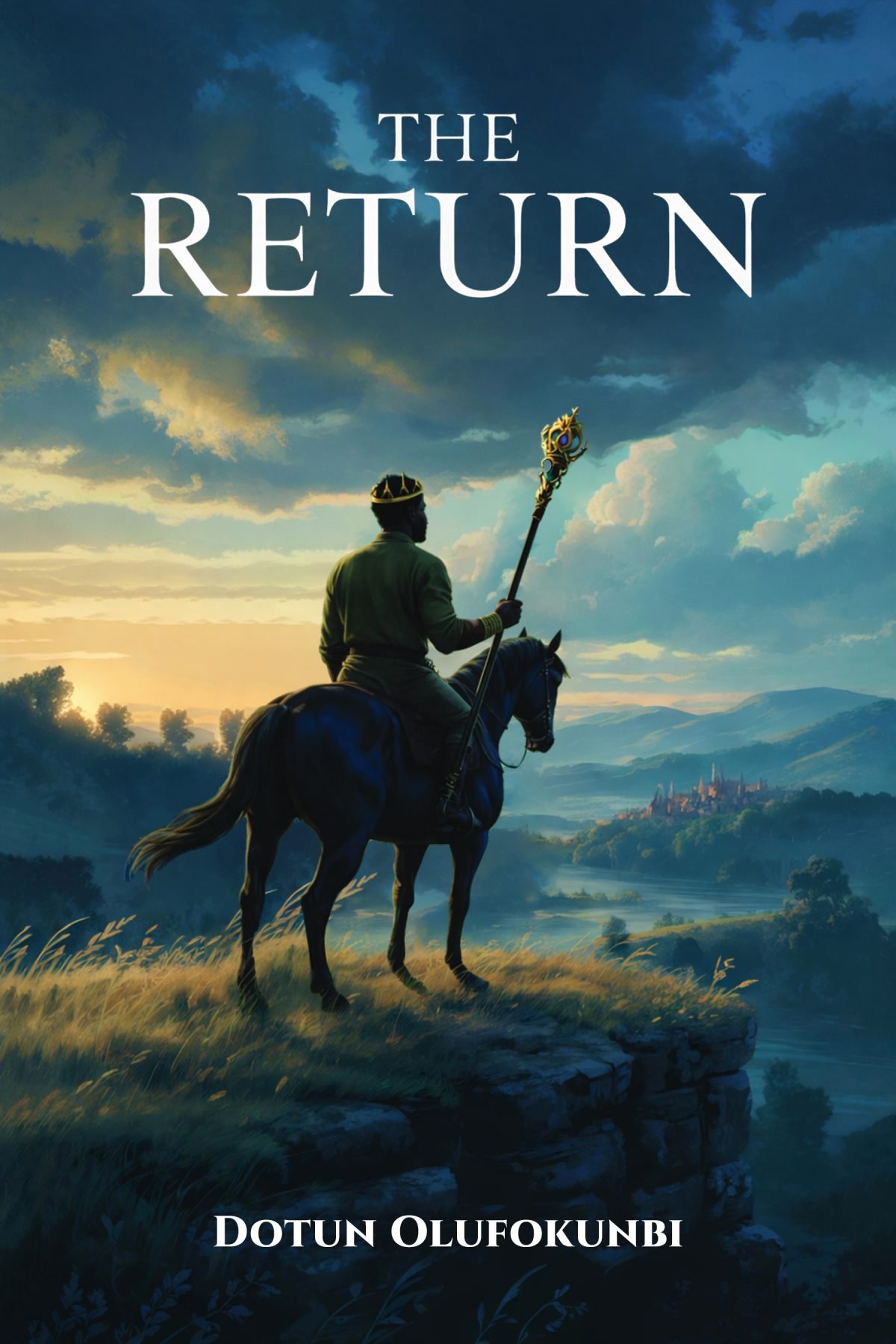
The Return is a play by Dotun Olufokunbi, set in the old Oyo Empire around 1723 and written in three acts. The text opens with a cast of characters and includes a narrator who addresses the audience directly. It centres on a prince who, against the usual tradition, was spared and sent away in infancy, and who comes back as an adult to the kingdom he left.
For the author, the play is about the cultural and traditional practices of the Yorubas around kingly succession. He also says it shows the cost of ignoring norms and culture, and the harm that ambition can do. It is the point where his reading, his schooling and his interest in Yoruba history meet on the page.
Available now on Amazon UK.
For Amazon UK: Click here
Why Now | Keeping African Culture in the Conversation
Dotun Olufokunbi is open about why he thinks this kind of work matters at the present time. He regards technology as good and commendable, but he feels it is pushing some activities into the background. Many people, in his view, no longer consider African culture and tradition relevant in a world of social media and the rat race.
His answer is to bring such material back. He points to Wole Soyinka and Ola Rotimi, and to epic works such as The Gods Are Not to Blame and The Lion and the Jewel, as examples of writing that celebrated African culture and placed it before a wider audience. He believes that work of this kind can again put African culture firmly on the global stage for further deliberation and discussion.
He also feels that the timing is right. In his view, Yoruba culture and tradition are fast disappearing from the global space, and that makes it more convincing to him that such a play should be published now.
There is a gentler strand to his thinking as well. Storytelling, he reminds us, used to be part of child training in the past, and a source of information and refreshment for the elderly. These are some of the intentions and the vision behind the work, and they show how he sees the place of a story in a community, for children and for elders alike.
Questions for Today | Discipline, Promises and the Value of a Pause
Although The Return is set in the eighteenth century, Dotun Olufokunbi sees it speaking to present debates. He observes that disciplining a child was communal not so long ago, and that people now argue about the best way to raise a child for a better world. In his view, the play fits into that debate by offering people options to consider.
He draws a second connection with politics. He notes that, around the world, people aspire to office with wild promises, often without considering whether they can carry those promises out. The content of the play, he says, helps such people to pause and reset.
The proverbs he quotes capture the mood of the work. Our elders say, he writes, that you do not test the depth of a river with two legs, and that we should look before we leap. These sayings sit at the heart of the ideas he wants the play to carry.
He names his readers with some care. He believes the subject will give students, teachers and anyone who wants good content something worth reading, and he argues that societies need intellectual discussion for well-being and self-preservation. It is a practical ambition, stated without fuss.
Looking Ahead | Research, Reading and Another Work
In describing his hopes, Dotun Olufokunbi speaks first about the wider society. He would like the book to revive research into the past, with a view to benefiting everyone. He also hopes that more people will return to contemporary writing, so that culture and tradition do not suffer a dearth of attention.
He adds that he is looking at working on another work of literature as time goes on. He has not named a title or a subject in the material supplied, and this feature will not guess at one. What he does say is that he hopes to keep contributing positively to the growth of the world at large, in his own way.
Taken together, his hopes point in one direction: towards research that looks back, writing that keeps tradition in view, and readers who value both.
Welcome to the British Publishers Author Circle | Dotun Olufokunbi
From Ilesha to Ile-Ife, and from a university staff quarters to a Masters programme in Edinburgh, the journey of Dotun Olufokunbi has been one of reading, study and steady curiosity. A book about the Yorubas, a tradition concerning a king and his first son, and a belief that culture deserves a place in the modern conversation came together in The Return.
The Author Circle exists to recognise writers at this point in their journey, and it is a pleasure to welcome Dotun Olufokunbi. His stated hopes are simple and generous: that readers will look back into the past, that more people will take up contemporary writing, and that tradition will not be allowed to fade quietly.
We wish him well with The Return and with the study and writing that lie ahead.
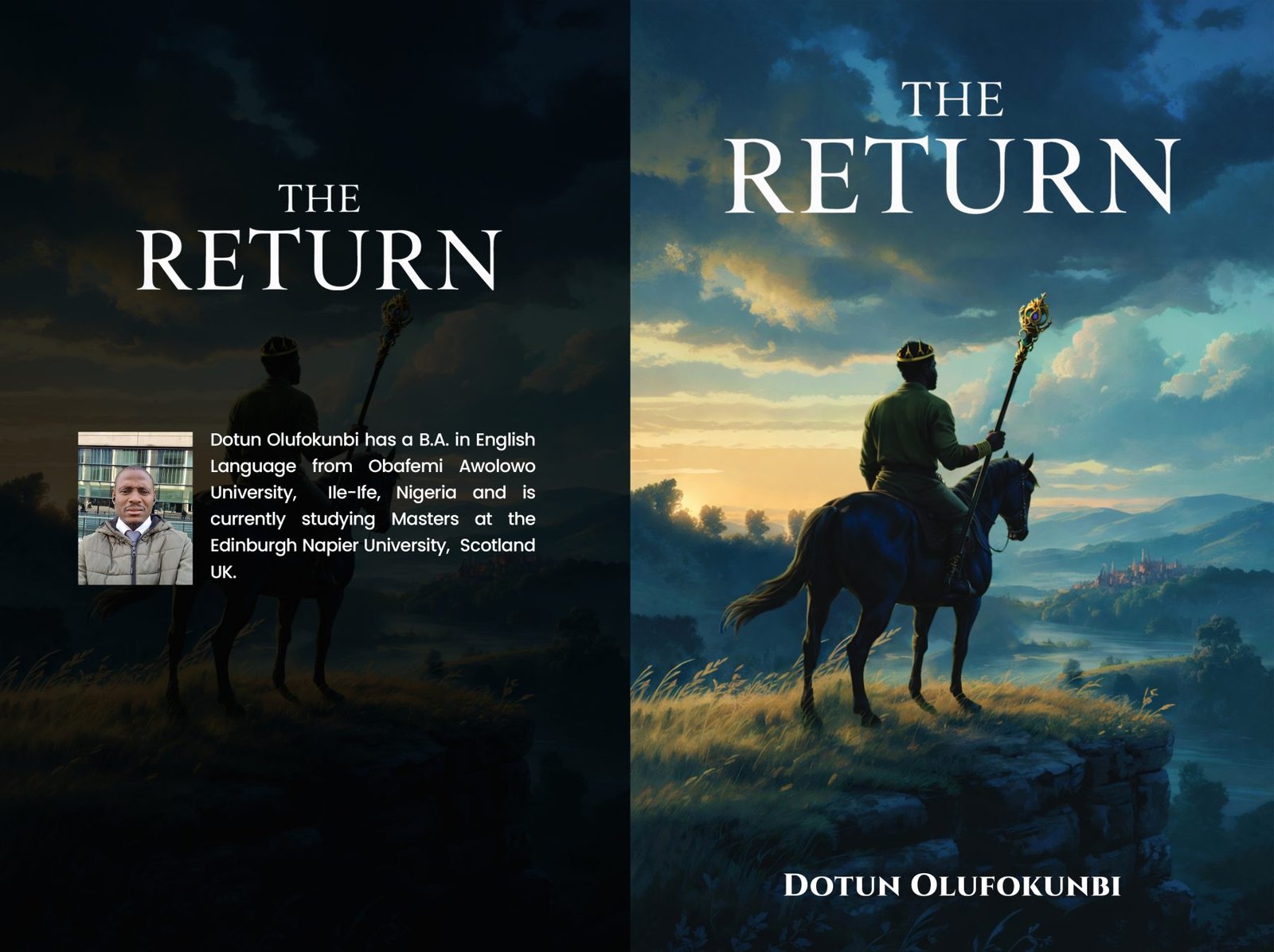
A picture of The Return, full paperback cover
Follow Dotun Olufokunbi for future releases, insights and official announcements.
For Amazon UK: Click here
Books by Dotun Olufokunbi
You May Also Like
Peter Ridgley
A life recorded, at last, in his own words.Peter Ridgley spent much of his life listening, first to...
Anne L Raper
Anne L Raper did not set out to write a book. She spent her working life as a nursing sister in Scar...