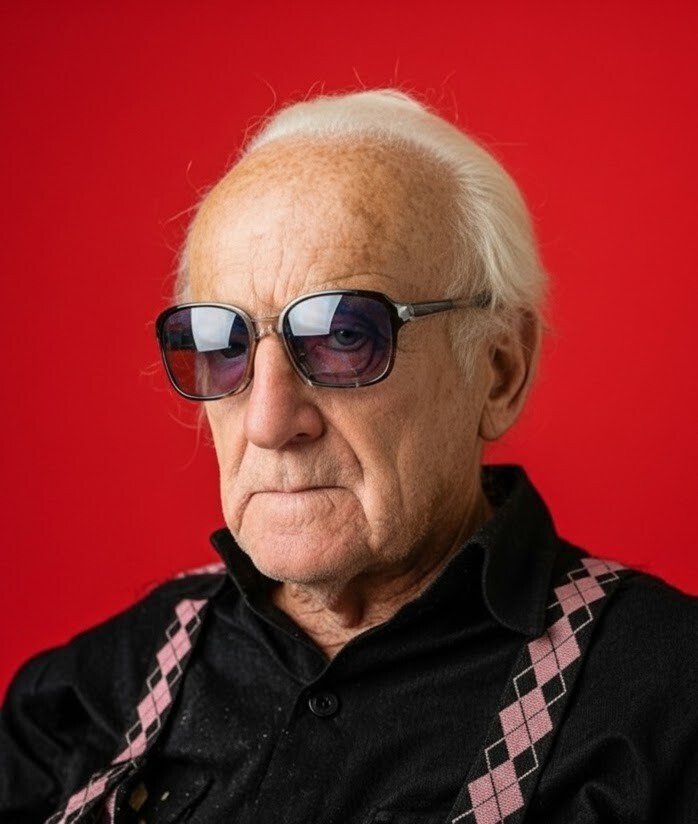
Echoes From Australia by Peter Ridgley: A Lifetime of Stories Across Continents and Years
Sep 24, 2026
Read

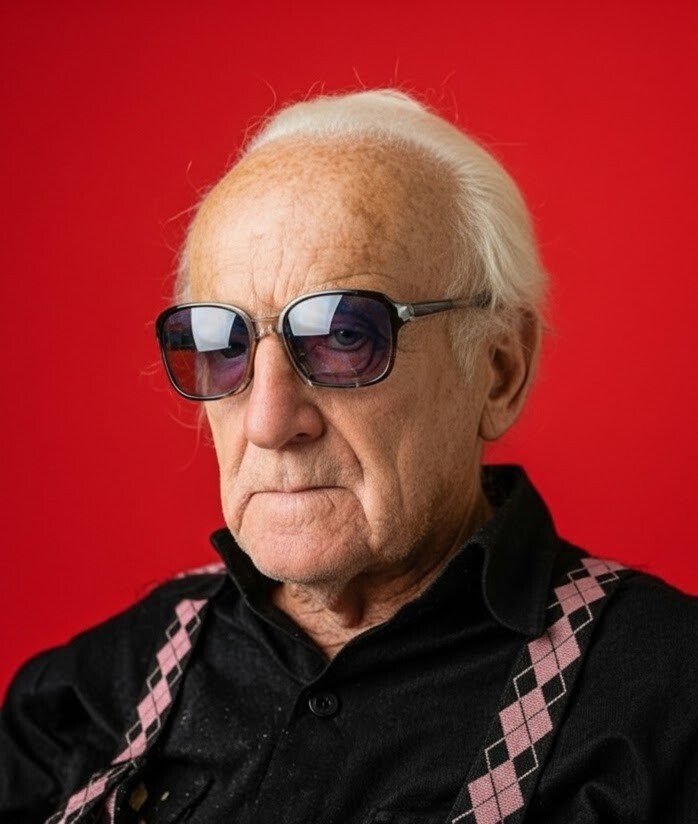
A life recorded, at last, in his own words.
Peter Ridgley spent much of his life listening, first to the creak and clang of a Royal Navy cruiser, later to the ordinary confidences of strangers riding in the back of his London taxi. Long before Echoes From Australia became a book, it was something closer to a habit: an insistence on remembering exactly how things had been, whether at sea, behind the wheel of a cab, or on the far side of the world during his years as a Ten Pound Pom in Australia. Ridgley did not set out to write literature. He set out to keep an account. What emerged, over decades of accumulated memory, was a working-class life recorded with unusual candour, and a book that stands now as the record he was determined someone would keep.
Peter Ridgley's earliest experiences were shaped by hardship rather than privilege. He grew up in working-class London and lived through the Blitz, an experience he referred to plainly rather than dramatically, part of the fabric of an ordinary, difficult childhood rather than a single defining moment. As a young man he boxed for the Repton club in Bethnal Green, a discipline that gave him both physical resilience and an early education in a tough, unsentimental corner of the East End.
National Service took him to sea aboard HMS Diadem, a Royal Navy cruiser, where he worked in the engineer's office during a lengthy deployment that included the West Indies. Life below decks, among stokers, engineers and officers of very different backgrounds, gave him a close and often unforgiving view of class, duty and character under pressure. These years, spent among men whose only common ground was the ship itself, sharpened the observational habit that would later define his writing: an insistence on recording people and places exactly as they were, not as convention expected them to appear.
When his National Service ended, Ridgley returned to a London that offered him few clear paths forward. He tried his hand at several occupations, including window cleaning and sales work, and briefly joined the Labour Party before deciding that organised politics held little for him. Restless, and unconvinced that a conventional working life in London suited him, he eventually made the decision that would define much of his later story: he emigrated to Australia under the assisted passage scheme that gave the era's emigrants their nickname, the Ten Pound Poms.
That period abroad, and his eventual return to England, added a further layer of lived experience to a life already rich in incident. Back in London, he found steady work as a licensed taxi driver, based in Hackney and spending decades behind the wheel in a trade that placed him, night after night, in conversation with a huge cross-section of the city. It was this accumulation, naval service, emigration, and years of listening to passengers in the back of his cab, that gave him the material he would eventually set down in writing.
According to the account Ridgley set down in his own foreword, the idea for the book took shape gradually, prompted by passengers in his taxi. Many listened to fragments of his story with open disbelief, assuming they were hearing the exaggerations of a cab driver looking to entertain. Ridgley maintained that very little in the account had been altered from the truth, and it was this repeated scepticism, the sense that his own life sounded implausible to people who had not lived it, that pushed him toward setting the record down properly rather than leaving it as passing conversation.
The move from oral storytelling to written record was not instant. Ridgley described assembling a kaleidoscope of different times and places rather than a single tidy narrative, and he was candid that shaping decades of memory into a coherent written account required real effort. What is clear is that the impulse to write did not come from literary ambition. It came from wanting an accurate account to exist, for once, on paper rather than in a cab.
Ridgley was explicit about his purpose. He wanted to set down, in his own words, a firsthand account of working-class life in Britain from the 1930s onward, describing hardship and inequality he believed later generations underestimated or misunderstood. He was not interested in nostalgia or sentiment. His aim was documentation: an honest, sometimes uncomfortable record of what daily survival had actually involved, told without the polish that might make it more palatable.
This purpose extended to his time in the Navy, his passage to Australia, and his decades as a taxi driver, each treated not as separate anecdotes but as part of one continuous account of a life lived at close quarters with ordinary hardship. He wanted readers to encounter the account as he had lived it, unsmoothed and unsentimental, rather than as a version reshaped to suit expectation. In this sense, Echoes From Australia was less a memoir written for approval than a record written for accuracy, a document he clearly believed needed to exist.
Confirmed milestones in Ridgley's life are limited to what is verifiable in the material available for this profile, and this section has been kept proportionate to that. He completed his National Service commitment in the Royal Navy, including a deployment that took him to the West Indies aboard HMS Diadem. He later travelled to Australia as a Ten Pound Pom and, on his return to Britain, held a taxi licence in London for many years.
His written account of these years exists in more than one form, with copyright dates recorded across several decades, indicating that Ridgley worked and reworked the manuscript over a long period rather than producing it in a single sitting. Following his death in 2017, his wife, Cintia Weston, took on responsibility for the manuscript, and the book now reaches readers in its current published form under her stewardship.
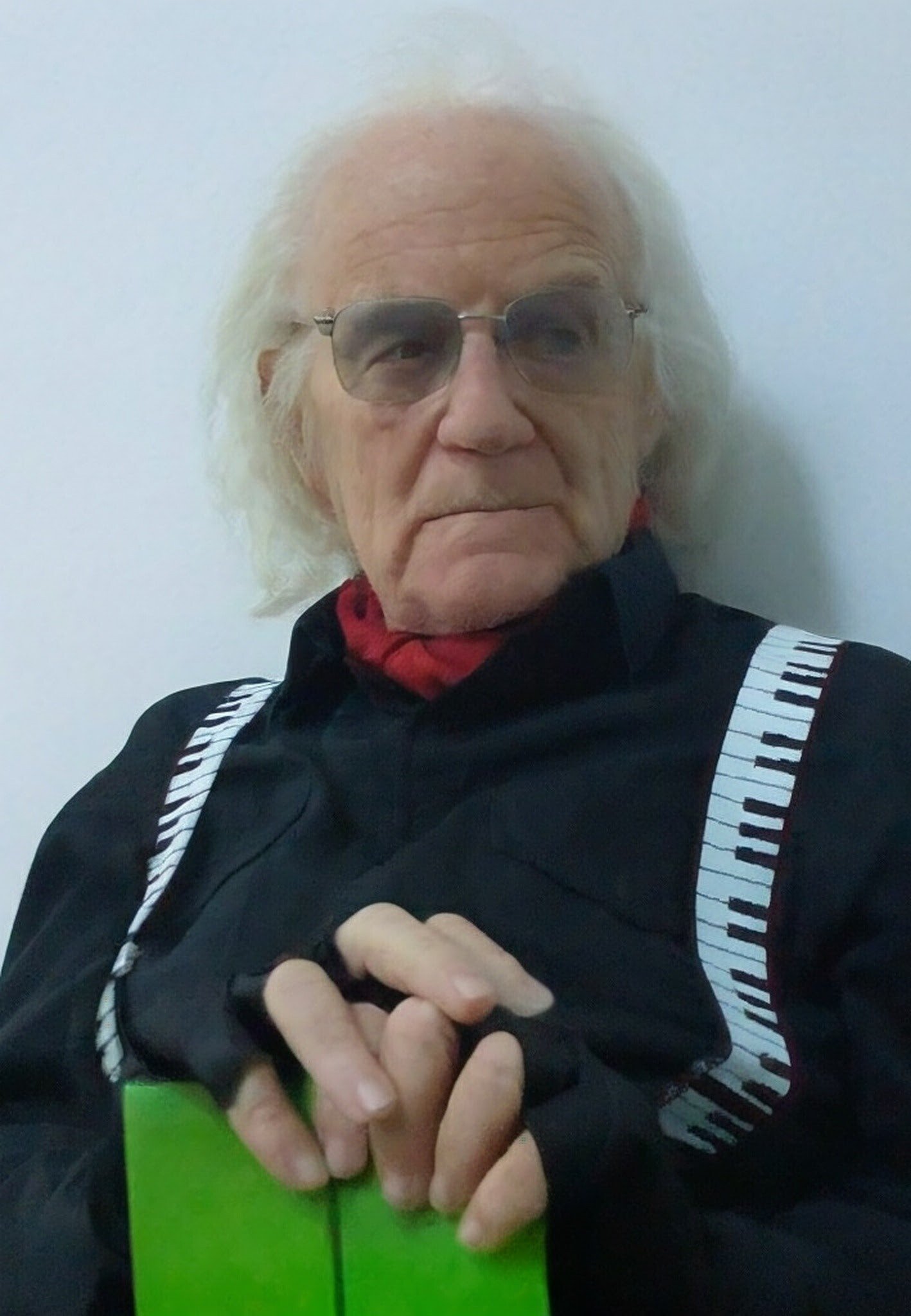
In Echoes From Australia, Peter Ridgley set down a non-chronological account of a working life spanning Royal Navy service, a Ten Pound Pom passage to Australia, and decades as a London taxi driver based in Hackney. Rather than following a conventional timeline, the book moves between periods and locations much as memory itself does, assembling what Ridgley called a kaleidoscope of different times and places into a single, deliberately unvarnished record of British working-class experience from the 1930s onward. It is not a polished literary memoir in the traditional sense; it reads closer to testimony, shaped by a man who spent decades listening to other people's stories before finally insisting on telling his own. Published under the stewardship of his wife, Cintia Weston, the book now stands as the account Ridgley wanted preserved: direct, occasionally uncomfortable, and resolutely honest.
Available now on Amazon.
For Amazon: Click here
The path from manuscript to publication was a long one. Copyright records attached to the work span multiple decades, suggesting Ridgley returned to the material more than once over the course of his life rather than completing it in a single effort. This is consistent with a man who valued accuracy over speed, willing to keep refining an account until it reflected the life he wanted recorded.
The book reached its current published form after Ridgley's death, brought to readers through the continued efforts of his wife, Cintia Weston. For a manuscript built from memory and years of accumulated experience, publication represents more than a milestone. It represents the survival of an account that might otherwise have remained private, now preserved in a form that outlives the man who wrote it and available to readers who never had the chance to hear it from him directly.
With Peter Ridgley no longer here to tell these stories in person, Echoes From Australia now carries that responsibility in his place. What he once shared piecemeal with taxi passengers is preserved, in full, for any reader willing to sit with an account that does not flinch from difficulty. His widow, Cintia Weston, continues to represent the book publicly, ensuring the record he was determined to leave behind reaches the audience he wrote it for. In this sense, Ridgley's journey has not ended so much as changed form: from a life lived and later written down, to a book that now does the remembering on his behalf.
British Publishers Author Circle is honoured to recognise Peter Ridgley and the journey recorded in Echoes From Australia, a life shaped by naval service, emigration, and decades spent listening to the stories of others before setting down his own. Though Ridgley did not live to see this chapter of the book's life, his wife, Cintia Weston, carries the work forward, and it is in that spirit that the Author Circle welcomes his story to its shelves. Readers are encouraged to discover Echoes From Australia and the working-class life it was written to preserve, a record its author was determined would not be lost.

For Amazon and further details:
Anne L Raper did not set out to write a book. She spent her working life as a nursing sister in Scar...

A curious reader, a page of Yoruba history and a question that would not go away.Dotun Olufokunbi gr...